A strength sport, in context
Canine weight pull is a strength sport in which a harnessed dog draws a loaded cart or sled a measured 16 feet within 60 seconds. Dogs compete in body-weight classes, and what matters most is how much a dog pulls relative to its own weight, not the raw number on the cart.[1, 2]
The handler stands at the finish line and encourages the dog with voice and hand signals only. Touching the dog, using food or bait, or any form of coercion is prohibited and results in disqualification. There is no opponent: the dog pulls against gravity and friction, not against another animal.[1, 3]
The sport is closer to a draft-horse pull or a powerlifting meet than anything adversarial. A well-conditioned dog pulling a rolling cart into a wall of its handler’s praise is doing something it visibly enjoys.
The measured travel distance, not the full chute length. Based on the UKC Weight Pull Rulebook. Other organizations have their own rules.
Equipment: the harness and the cart
The dog wears a padded freight harness or spreader-bar harness designed to distribute the load across the chest and shoulders. Walking harnesses and collars are not allowed because they concentrate force on the neck.[1]A good pulling harness fits snugly without restricting the dog’s stride or breathing.
The load is either a wheeled cart (on dirt, grass, or an artificial surface), a sled (on packed snow), or a rail cart that rolls on metal tracks. Each type creates a different amount of friction, which is why the raw weight numbers vary enormously across surfaces.[1, 4]
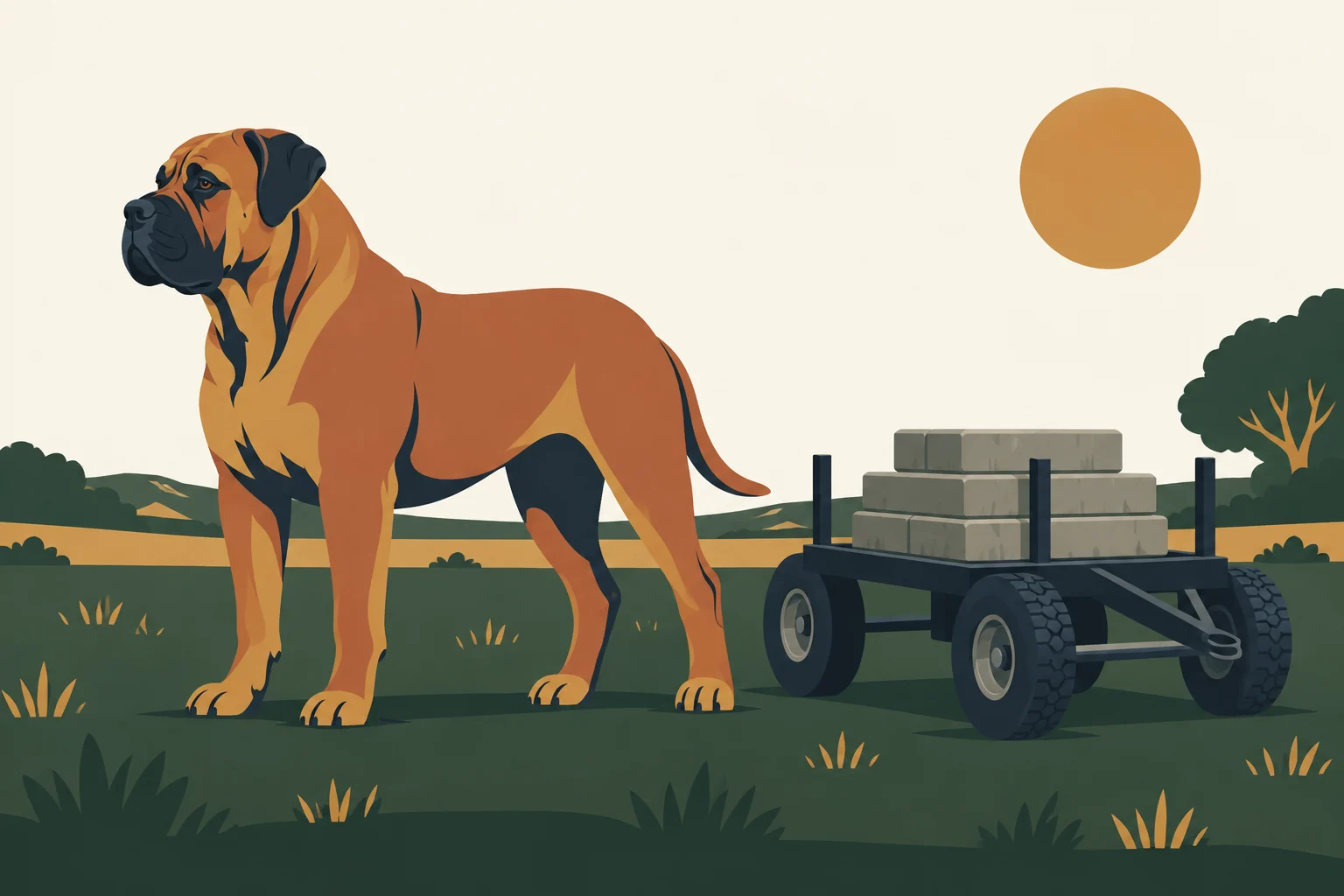
A loaded cart, its running surface and a purpose-built harness all belong in the explanation of a pull. The illustration introduces the cart; the rules below explain why the setup matters.
Original AI-assisted illustration. Conceptual equipment scene, not an event photograph or a harness-fitting guide.Why the surface changes everything
Snow
A sled meets the most resistance. The totals are lower.
Wheels
The cart rolls, but grass, dirt and artificial surfaces differ.
Rails
Low rolling resistance allows much higher totals.
The single biggest variable in weight pull is not the dog: it is the pulling surface. A sled on packed snow creates the most friction and produces the lowest weights. Wheels on dirt or grass sit in the middle. A low-friction rail cart rolls so easily that the same dog can post numbers ten times higher than it would on snow.[1]
This is the most common source of confusion in weight-pull claims. A 22,000 lb pull on rails and a 3,000 lb pull on snow are not the same achievement, and neither number means anything without the surface stated alongside it. Ranking numbers across surfaces is the mistake behind most inflated claims you will see online.
For a detailed breakdown of the surface effect, including the UKC’s own cap table and how the numbers compare across federations, see our full weight-pull guide.
Who runs the sport: the four main federations
Several bodies sanction weight pull in North America. Their titles, rules, and record books are separate, and a title earned under one does not transfer to another.
IWPA (International Weight Pull Association)
A non-profit organized in 1984. Runs roughly 100 events per season (fall through spring) on wheels and snow. Does not run rails. Titles are earned through cumulative qualifying pulls.[2]
UKC (United Kennel Club)
Runs a formal titling ladder from UWP (basic) through the UWPCH championship, with surface-based qualifying multiples of body weight. The UKC publishes the most detailed public rulebook of any federation.[1]
APA (American Pulling Alliance)
Sanctions its own events with separate harness and welfare rules. Runs wheels, snow, and rails depending on the event host.[3]
UPF (Unified Pulling Federation)
A newer federation affiliated with the Bully Max brand. Runs rails, wheels, and snow. Publishes event results online. The 22,039 lb Boerboel pull documented on our pillar page was at a UPF-sanctioned event.[5]
For a side-by-side comparison of the heaviest documented pulls under each federation, see our cross-federation records page.
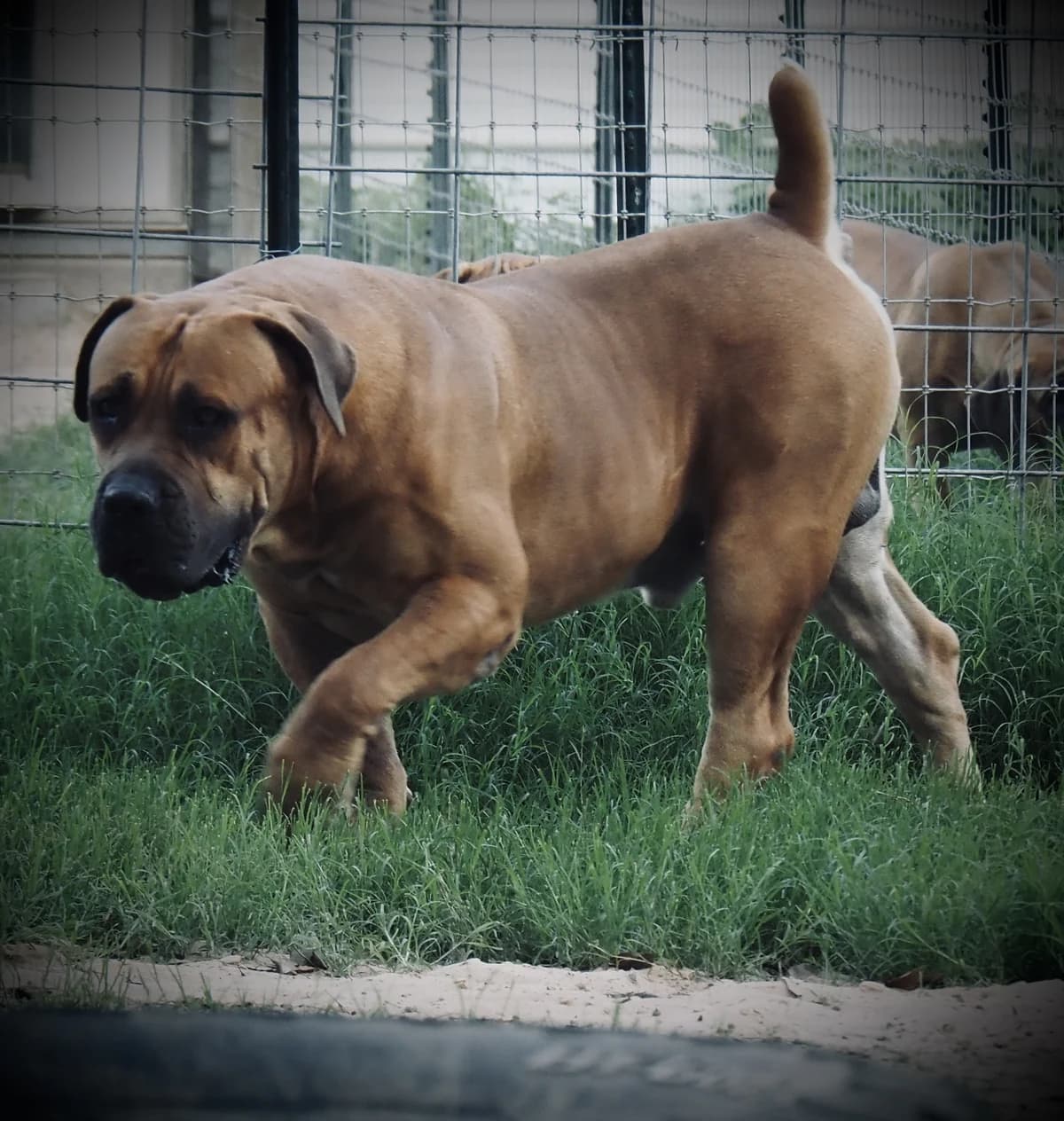
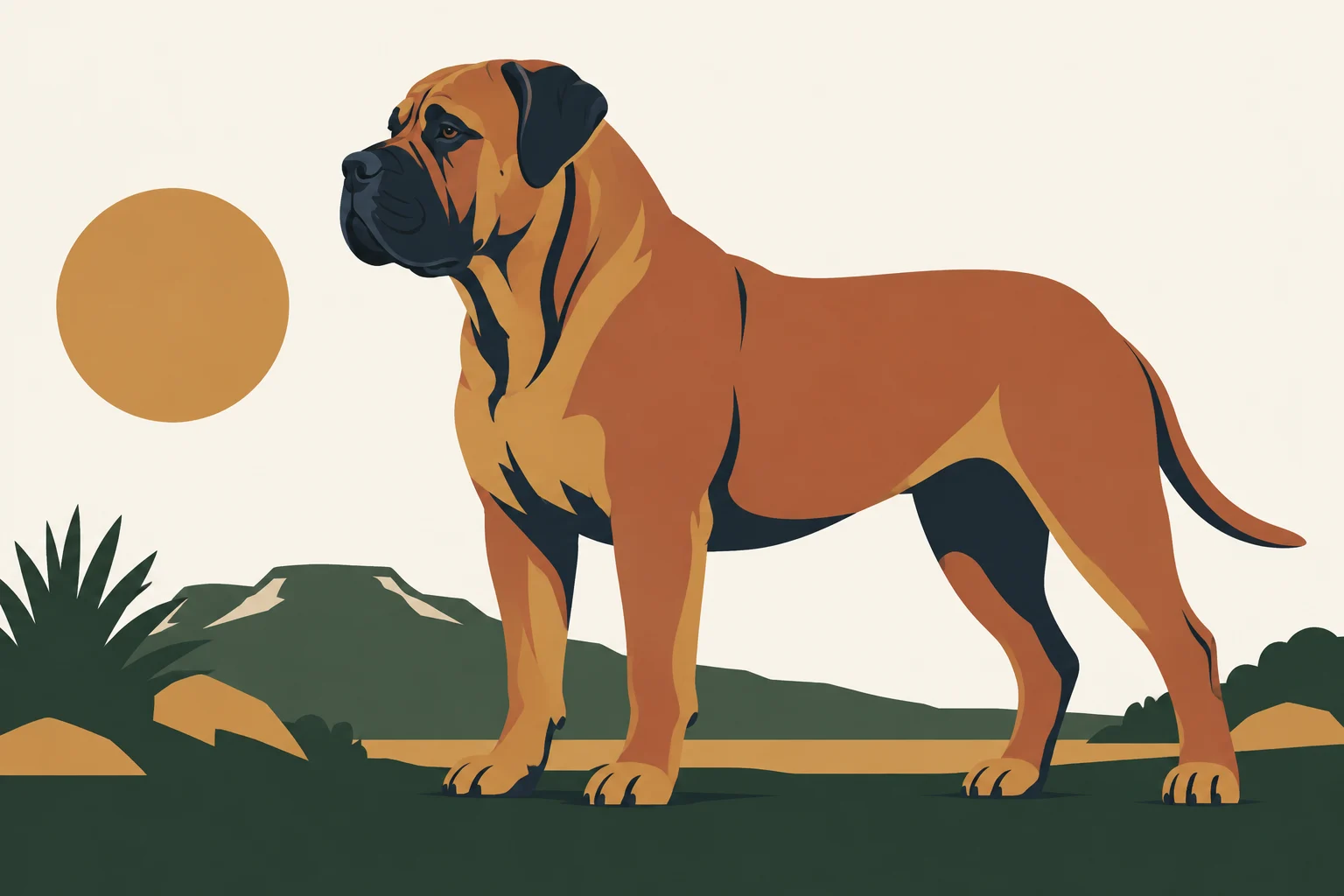
Away from the numbers and equipment, there is an individual dog. The welfare rules are an essential part of understanding the sport.
Peterbuilt photo collection. Breed photography, not a competition photograph.Welfare protections
The sport’s welfare provisions are stronger than most people expect. Across the major bodies:[1, 3]
- The handler cannot touch the dog during the pull.
- Food, bait, whips, and pinch collars are prohibited in the pull area.
- The dog is guided by voice and hand signals only.
- Abusive treatment is immediate disqualification.
- Females in season, pregnant, or nursing are barred.
- Anyone tied to dogfighting is suspended or expelled.
None of this means every handler is perfect, just as no rule book prevents all fouls in any sport. But the framework is real, and the sport as organized is a willing strength test, not an adversarial one.
Weight Pull FAQ
What breeds can do weight pull?
Any breed can compete in organized weight pull. There is no breed restriction. The sport uses body-weight classes, so a 40 lb dog competes against other dogs near 40 lb, not against a 180 lb mastiff. Pit Bulls, Boerboels, Malamutes, Rottweilers, and mixed breeds all compete.
Is weight pull bad for dogs?
Organized weight pull is welfare-regulated. Handlers cannot touch the dog during the pull. Food, bait, whips, and pinch collars are prohibited. The dog is guided by voice and hand signals only. Abusive treatment is immediate disqualification. Females in season or pregnant are barred. Like any strength sport, the responsible version is built on conditioning and knowing the individual dog.
How do I get started in weight pull?
Start by attending a local pull as a spectator. The IWPA and UKC list events on their websites. Most federations offer a novice class with lower qualifying thresholds. You will need a fitted pulling harness (not a walking harness), and your dog should have basic obedience and be comfortable in a harness before you enter.
What is the difference between IWPA, UKC, APA, and UPF?
The IWPA is a non-profit running about 100 events per season on wheels and snow, no rails. The UKC offers a formal titling ladder (UWP through UWPCH) with surface-specific qualifying multiples. The APA sanctions its own events with separate harness and welfare rules. The UPF is a newer federation affiliated with the Bully Max brand, running rails, wheels, and snow. Titles and records from one body do not transfer to another.
Sources
- [1] Official UKC Weight Pull Rulebook (surface classes, the 16-foot pull, titling ladder, welfare rules). United Kennel Club. https://www.ukcdogs.com/docs/rulebooks/weight-pull-rulebook.pdf
- [2] International Weight Pull Association: About / rules (non-profit organized 1984; wheels and snow scored separately). IWPA. http://www.iwpa.net/
- [3] American Pulling Alliance: rules and welfare provisions. American Pulling Alliance. https://www.americanpullingalliance.com/
- [4] Whole Dog Journal: canine weight pull explained (ratio vs. absolute; training progressions). Whole Dog Journal. https://www.whole-dog-journal.com/activities/weight-pulling/
- [5] Unified Pulling Federation: published results archive and event index. Unified Pulling Federation (UPF). https://unifiedweightpullfederation.com/results